Notice
You are now leaving Polygon Restoration's website and will be directed to another country in the group.
Do you want to proceed?
Notice
You are now leaving Polygon Restoration's website and will be directed to another country in the group.
Do you want to proceed?

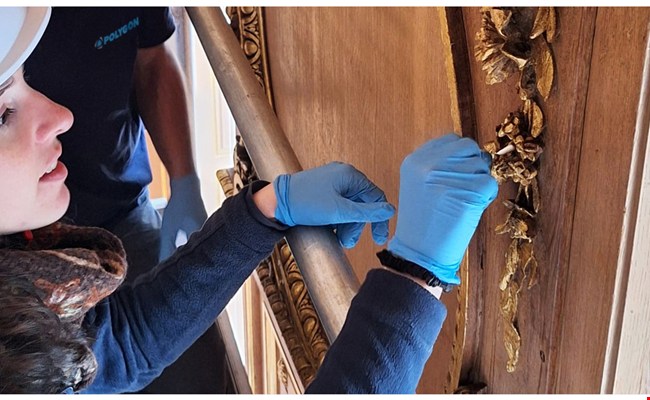
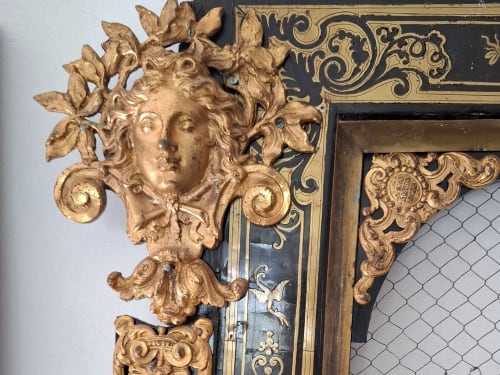
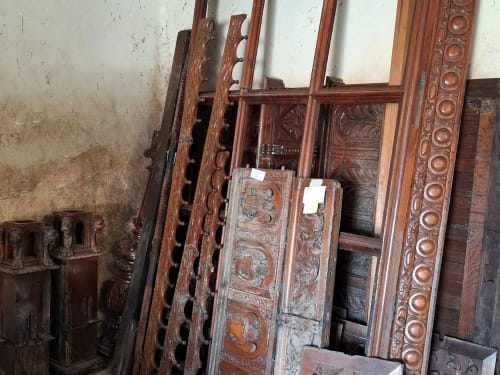
When fire damaged a privately owned castle and its collection in Normandy, the recovery called for much more than cleaning. Polygon combined on-site action in France with specialist restoration capabilities in the Netherlands, creating a coordinated solution for 153 objects including paintings, sculptures, clocks and pieces of antique furniture.
The fire broke out in September 2025 while part of the building was being renovated. During the emergency, firefighters and staff moved valuable objects out of the affected areas. Although many pieces were saved from the flames, they were left with a combination of smoke, soot, moisture and physical damage caused during the evacuation and subsequent storage.
The collection was spread across several buildings and included objects with very different materials, conditions and restoration needs. At the same time, decisions had to be coordinated with the owner, insurer, loss adjuster, legal representatives and cultural authorities. Polygon therefore needed to create a solution that was technically sound, carefully documented and clear to everyone involved.
Polygon International Sales brought in its specialists in document, art and antique restoration, from Polygon Netherlands. Together with the loss adjuster, the team assessed the collection object by object, identifying what could remain in France for decontamination and what required specialist restoration.
The resulting plan combined targeted treatment at the castle with specialist transport and restoration in the Netherlands. Objects with lighter soot contamination were treated on site. A further 153 objects were photographed, documented, carefully packed and moved in two trucks with trailers to Polygon’s specialist facilities. Every object accepted for restoration is expected to be recoverable.

A project of this scale depends on complete traceability. Building on experience from an earlier assignment in Paris, Polygon had created a highly structured and systematic process. This gives all parties a clear view of what has been received, what treatment is planned and how the work is progressing.
Close communication was equally important. When questions arose about transporting the collection from France, Polygon was able to explain the proposed process, the safeguards involved and why specialist facilities in the Netherlands offered the right environment for the work. The owner’s confidence in the solution helped the project move forward.
The Normandy assignment came after Polygon’s successful restoration of another valuable collection in Paris. The quality of that work and the positive experience of the client, insurer and loss adjusters gave the loss adjuster confidence to recommend the same cross-border approach for this new and complex loss.
The project illustrates how Polygon can bring together local knowledge, international coordination and highly specialised restoration capabilities when a loss cannot be solved by one team or one market alone. With clear responsibilities, robust documentation and close cooperation, complex collections can be treated by the specialists best equipped for each object, regardless of national borders.
Jeffrey Happel, Manager at Vanwaarde, Polygon Netherlands:
Once again, team effort and cross-border collaboration made it happen. This is a proven service that we can provide for other Polygon countries and colleagues.
Polygon’s international network combines local response and customer coordination with specialist expertise for major and complex losses. The restoration programme for the Normandy collection is expected to continue until the end of 2027.

Head Office
Polygon International
Mäster Samuelsgatan 42
SE-111 57 Stockholm
Sweden
For general inquiries, please use this form. For local support, contact your local Polygon team.
Find and contact your local team →